Introduction to Wacker HDK Fumed Silica Product Line
Wacker HDK is a mainstream nano fumed silica across the globe, produced by flame hydrolysis method and divided into hydrophilic, hydrophobic, pharmaceutical and food-grade series. Featuring high purity, large specific surface area and three-dimensional network structure, it enables rheology control, reinforcement and thickening, and is widely used in high-end sectors including coatings, adhesives, pharmaceuticals and electronics.
Wacker HDK® Fumed Silica Product Line
Wacker HDK® is a leading global product line of nano-scale fumed silica. It is manufactured via flame hydrolysis, where volatile chlorosilanes are hydrolyzed in high-temperature oxyhydrogen flame to produce nano silica powder with high purity, large specific surface area and three-dimensional network structure. Since Wacker scientists discovered that purified silicon tetrachloride can react with hydrogen flame to produce fumed silica in 1966, Wacker HDK® has been a leading product dominating the global fumed silica market. Wacker’s product lines cover four major series: hydrophilic, hydrophobic, pharmaceutical & food grade and pre-dispersions. They are widely used in high-end fields such as coatings, adhesives, silicone rubber, composite materials, pharmaceuticals, food and electronics, featuring core functions including rheology control, reinforcement and thickening, anti-settling, flow aiding & anti-caking, and interface modification. Our company mainly supplies hydrophilic and hydrophobic fumed silica, and can recommend suitable products according to customer requirements.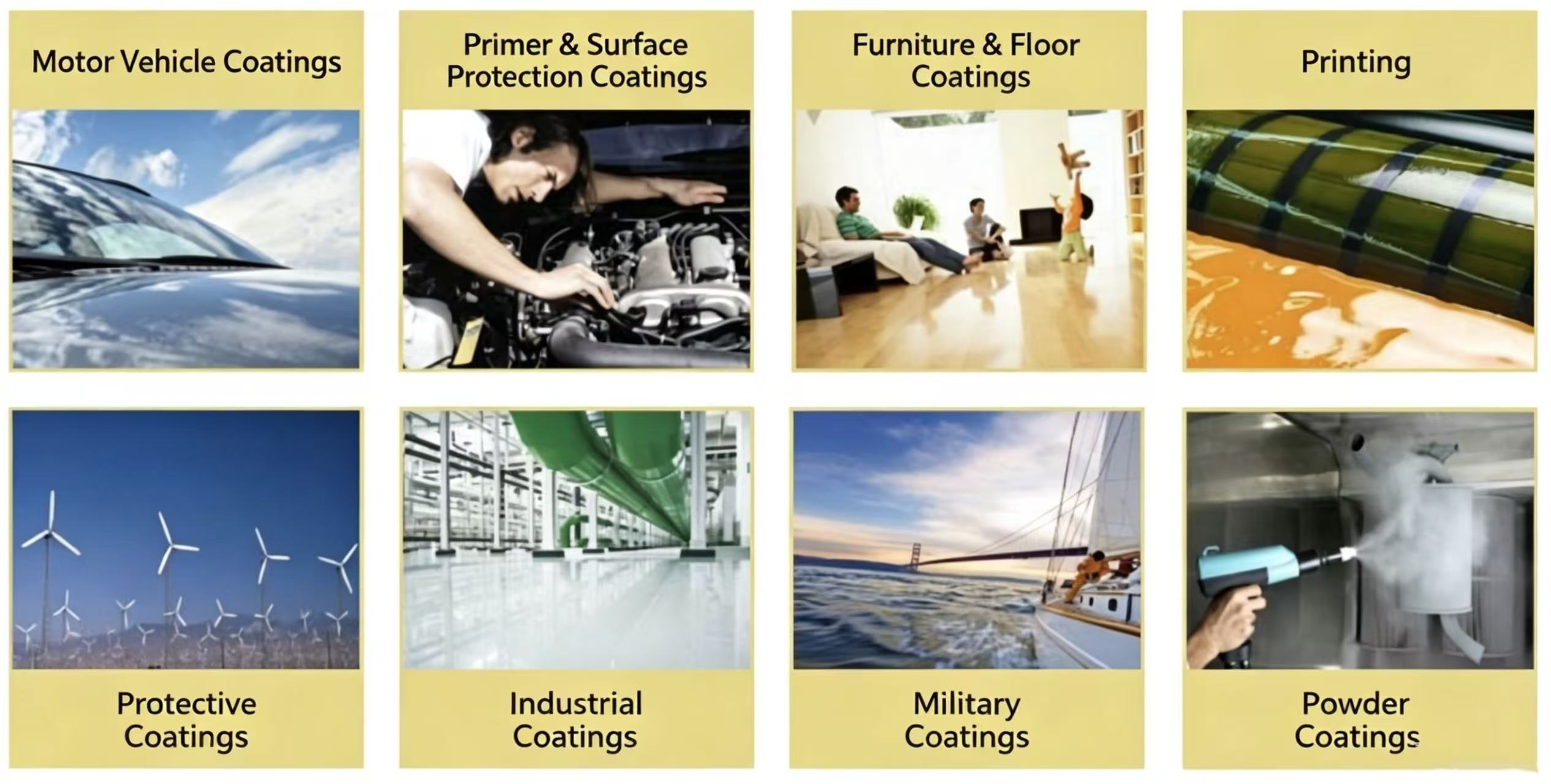
1. Product Overview
Wacker HDK® is a leading global product line of nano-scale fumed silica. It is manufactured via flame hydrolysis, where volatile chlorosilanes are hydrolyzed in high-temperature oxyhydrogen flame to produce nano silica powder with high purity, large specific surface area and three-dimensional network structure. Since Wacker scientists discovered that purified silicon tetrachloride can react with hydrogen flame to produce fumed silica in 1966, Wacker HDK® has been a leading product dominating the global fumed silica market.
Wacker’s product lines cover four major series: hydrophilic, hydrophobic, pharmaceutical & food grade and pre-dispersions. They are widely used in high-end fields such as coatings, adhesives, silicone rubber, composite materials, pharmaceuticals, food and electronics, featuring core functions including rheology control, reinforcement and thickening, anti-settling, flow aiding & anti-caking, and interface modification. Our company mainly supplies hydrophilic and hydrophobic fumed silica, and can recommend suitable products according to customer requirements.II. Production Principle and Structural Characteristics
1. Production Technology
- Raw materials: Volatile chlorosilanes such as silicon tetrachloride and trichlorosilane
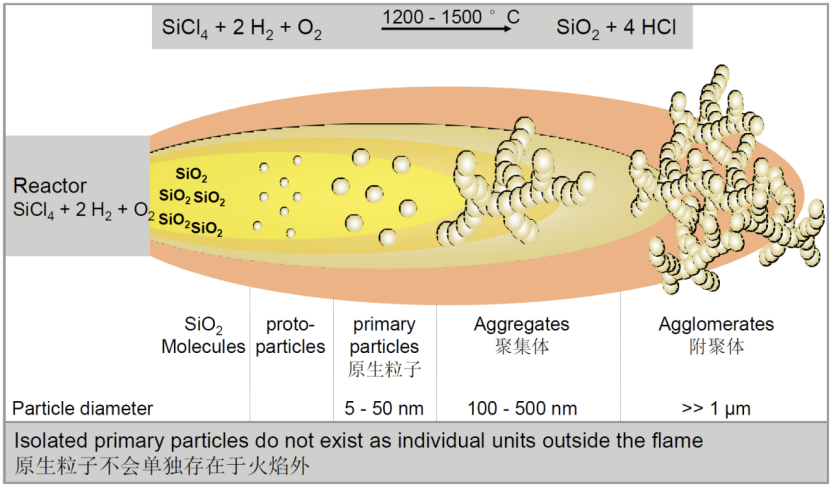
- High-temperature flame hydrolysis: Reacts in oxyhydrogen flame above 1200℃ to form nano-sized primary particles
- Agglomeration formation: Primary particles fuse into chain aggregates and form micron-sized agglomerates after cooling
- Post-treatment: Hydrophilic products can be directly collected; hydrophobic products need silane modification to endow surface hydrophobic property
2. Core Characteristics of Wacker HDK®
- High Purity: SiO₂ content ≥99.8%, with low metallic impurities and residual chlorine.
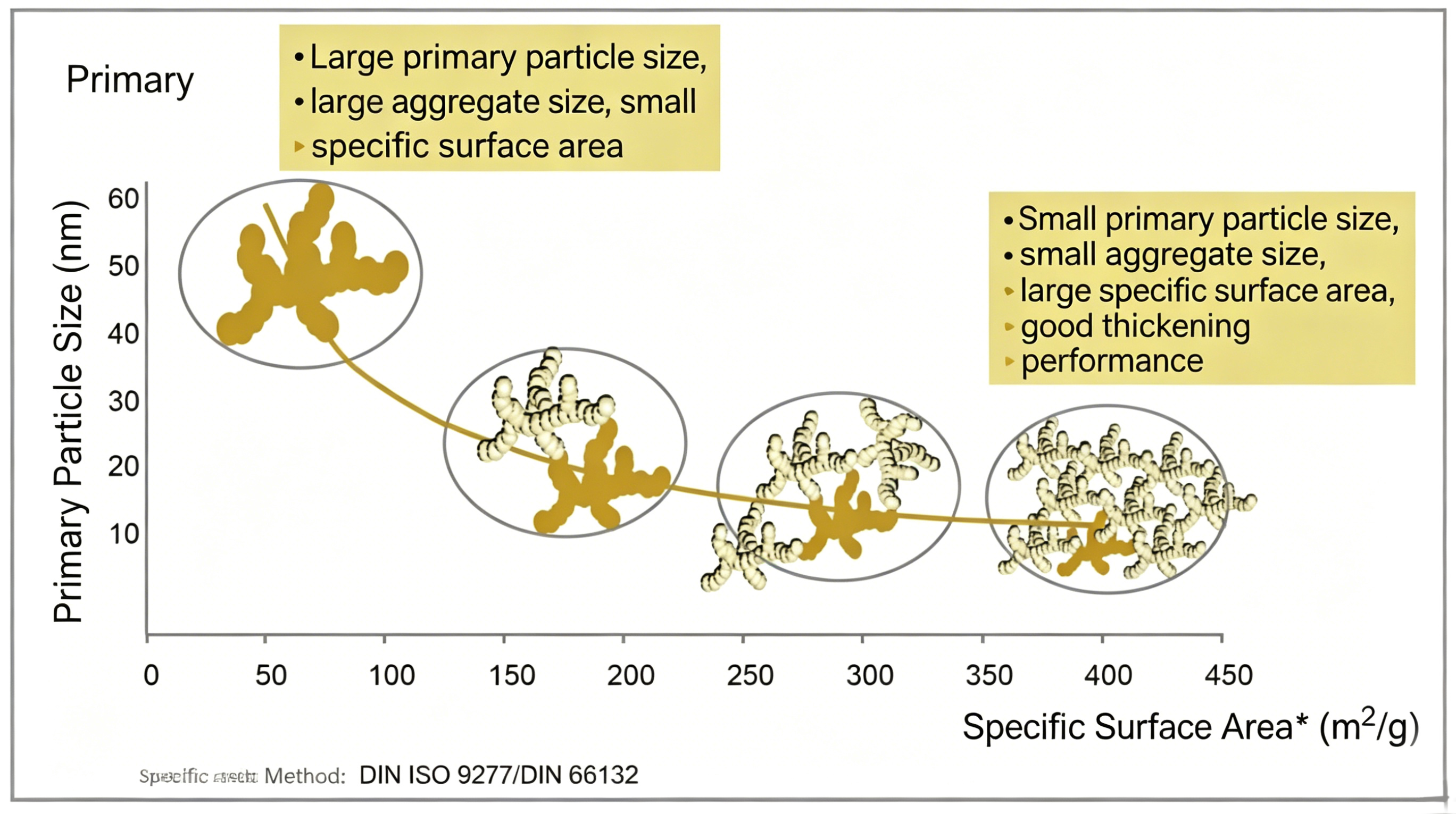
- High Specific Surface Area: Products cover a BET range of 50–400 m²/g to meet diverse application demands.
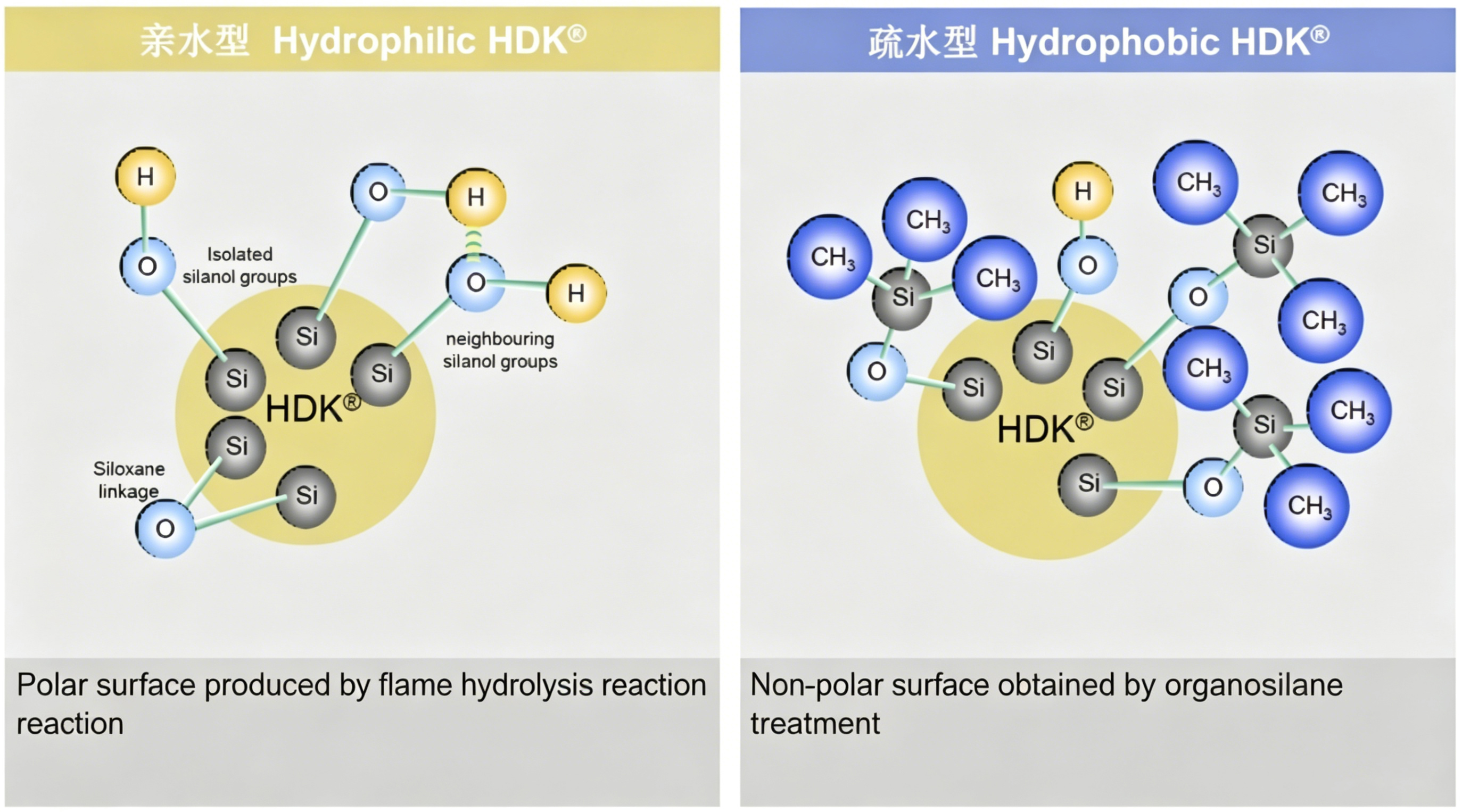
- Three-dimensional Network Structure: Forms hydrogen bond networks in liquids to achieve thixotropy, thickening and anti-settling effects.
- Controllable Surface Properties: Hydrophobic types contain silanol groups while hydrophobic ones are modified with methyl/alkyl groups, compatible with various solvent systems.
III. Product Line Classification and Typical Grades
(1) Hydrophilic HDK®
Featuring an unmodified surface with abundant silanol groups, it is compatible with polar systems and mainly serves for rheology control, reinforcement, thickening and thixotropy.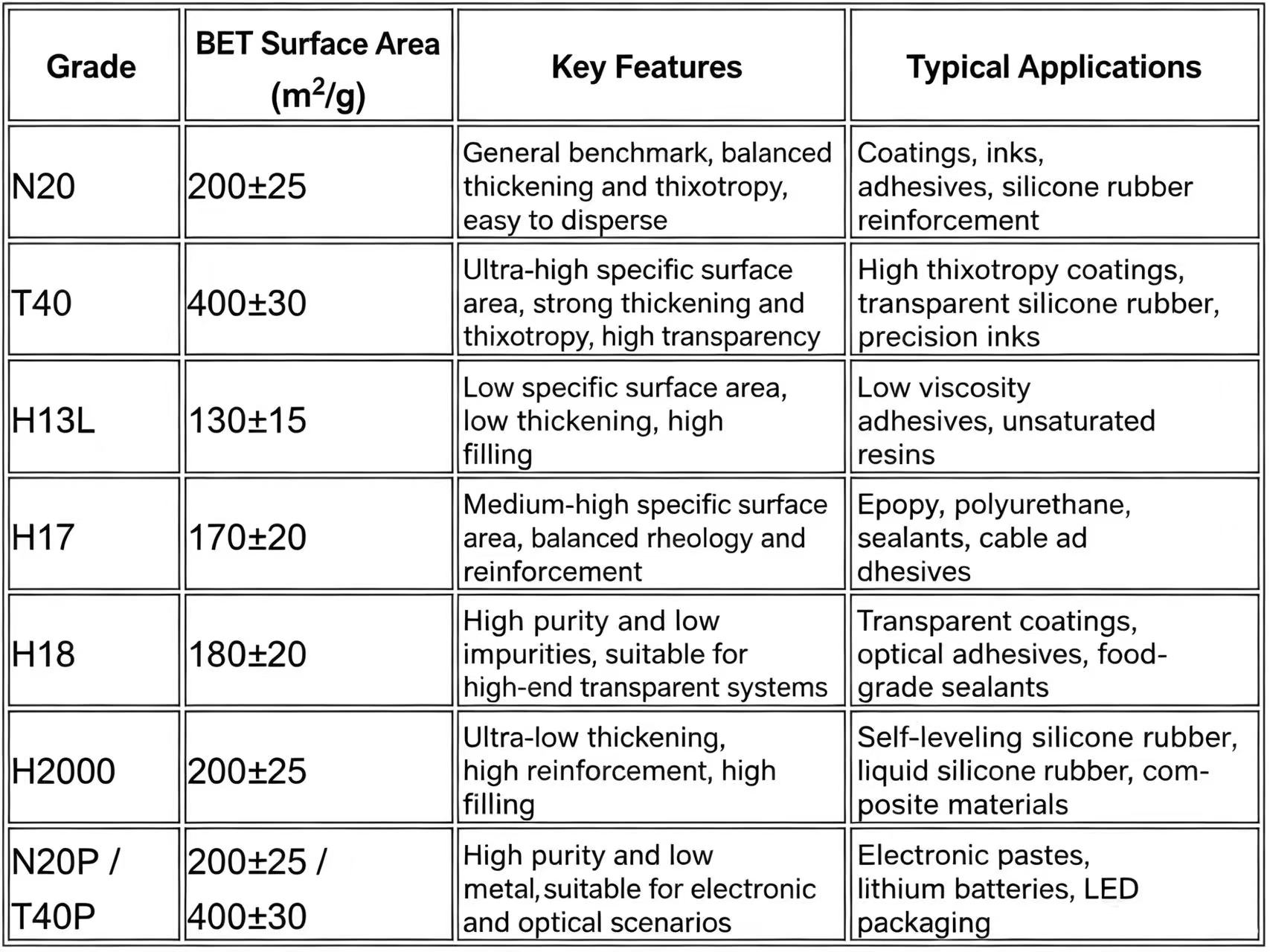
(2) Hydrophobic HDK®
Featuring a silane-modified surface, it is hydrophobic and moisture-proof, compatible with non-polar/weakly polar systems, and mainly provides reinforcement, thixotropy and hydrolysis resistance.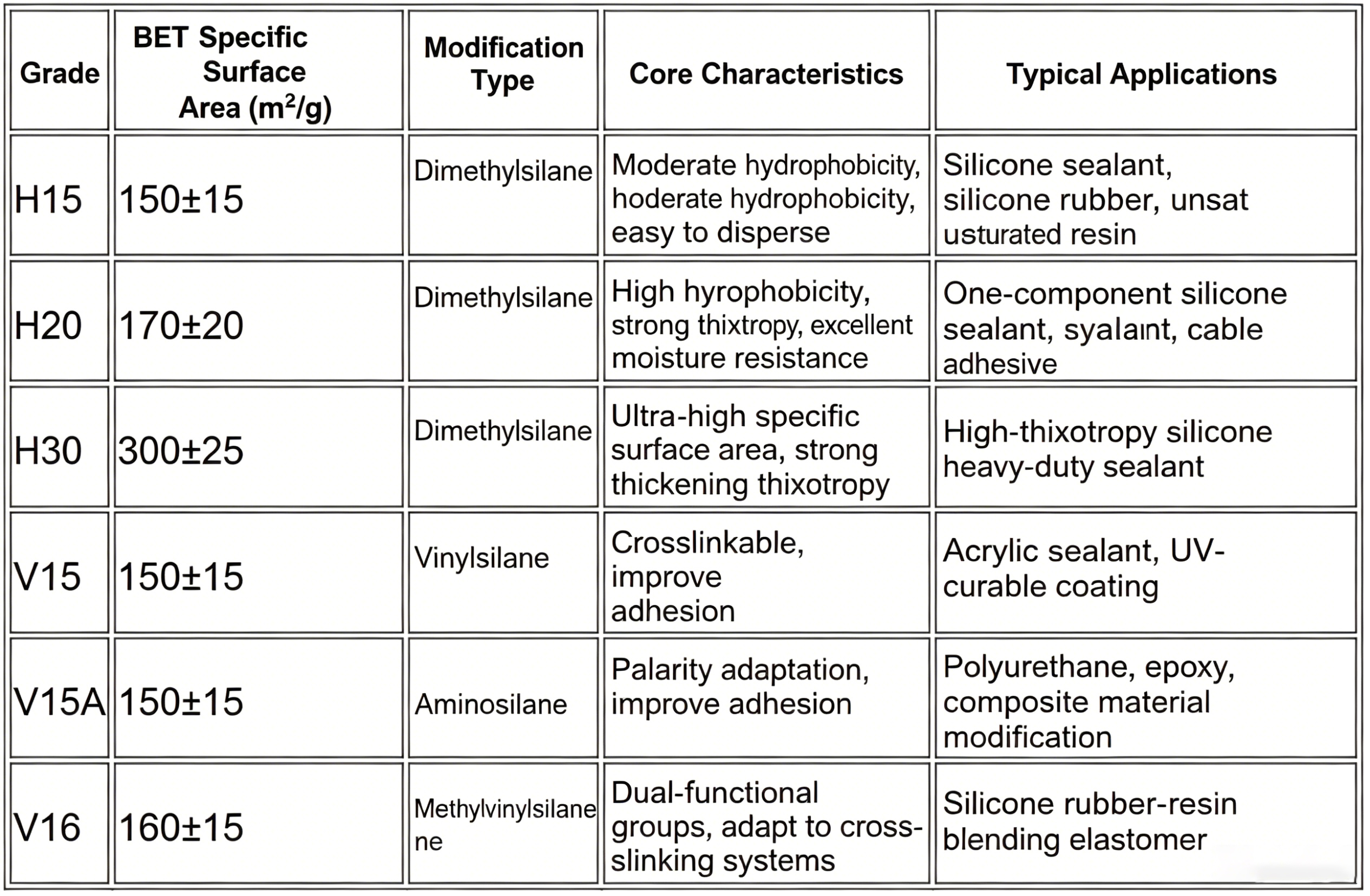
IV. Core Functions & Applications
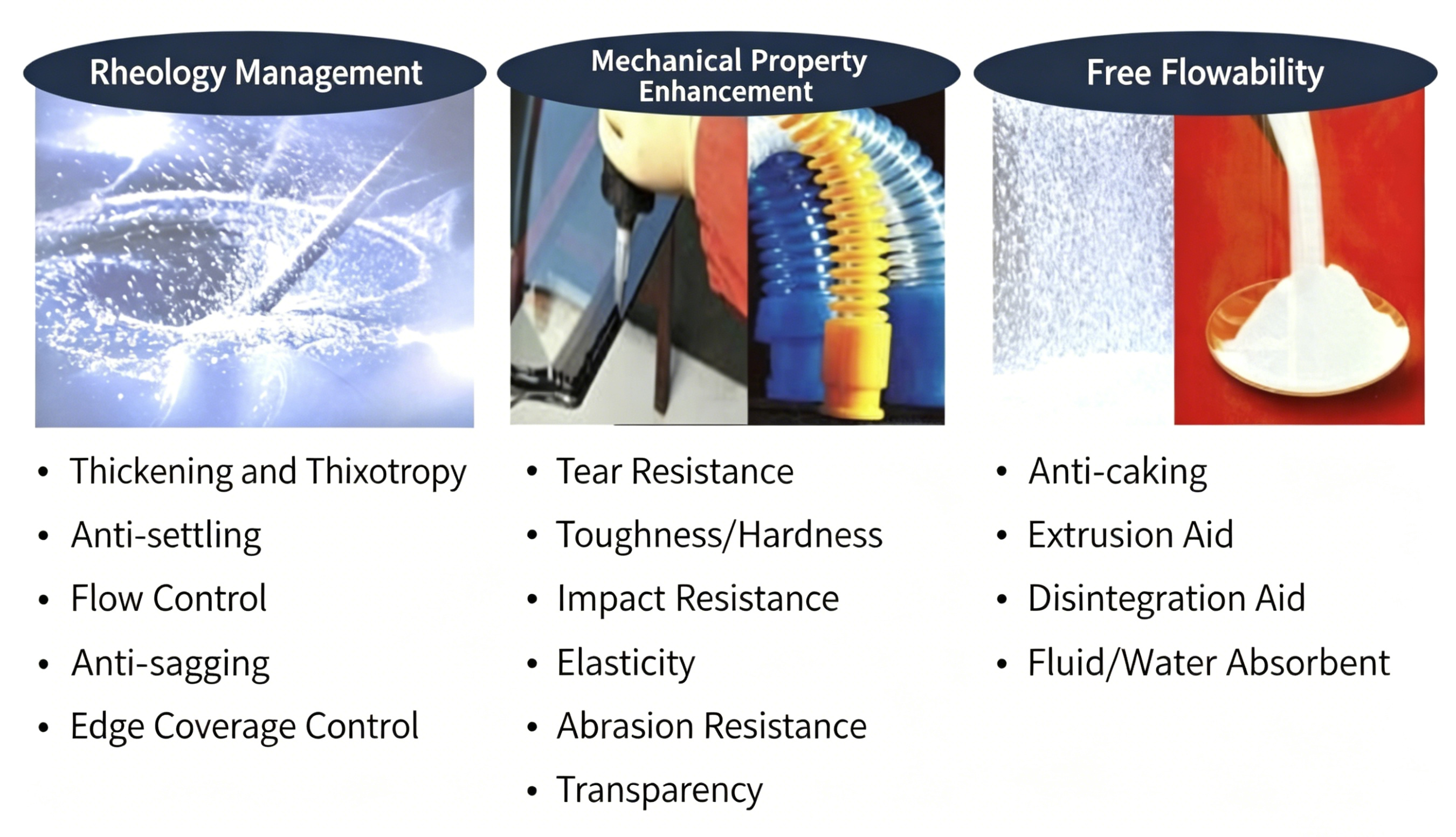
- Rheology RegulationAchieve shear thinning via hydrogen bond network, prevent sagging and sedimentation, suitable for coatings, inks and adhesives.
- Mechanical Performance ReinforcementNanoparticles bond with polymer chains to greatly improve strength, modulus and wear resistance, applied to silicone rubber, elastomers and composites.
- Free Flow PerformanceReduce van der Waals force among powders as spacer, realize flow aid, anti-caking and anti-sticking, widely used in medicine, food and powder coatings.
- Other FunctionsPossess insulation, heat insulation, matting, emulsion stabilization and interface modification, fit for electronics, leather and composite material industries.