Technology Center

Technology Center

Follow company updates, industry insights, and material application trends from CanalChem.

Filter by Tag

Select a tag to quickly view related articles.

Graphene Heating Films for Automotive Batteries
2026-10-16Admin

Graphene Heating Films for Automotive Batteries

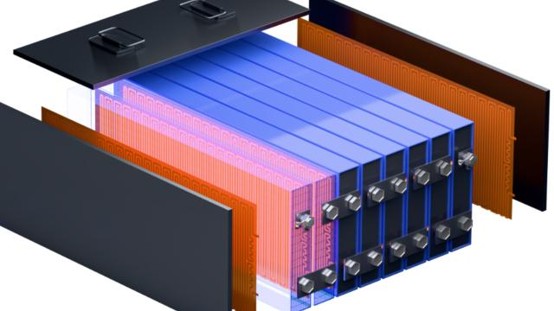
Graphene heating films are thin-film heating elements that generate heat through the Joule-heating effect when an electric current passes through a conductive material. They can be designed as flexible, thin, planar heaters for low-temperature heating of automotive traction batteries, battery-pack thermal management, and some low-voltage auxiliary-heating applications.

Read More →
Electronic -grade molybdenum trioxide: A review of crystal form selection, industrial preparation and lattice structure differences
2026-09-30Admin

Electronic -grade molybdenum trioxide: A review of crystal form selection, industrial preparation and lattice structure differences

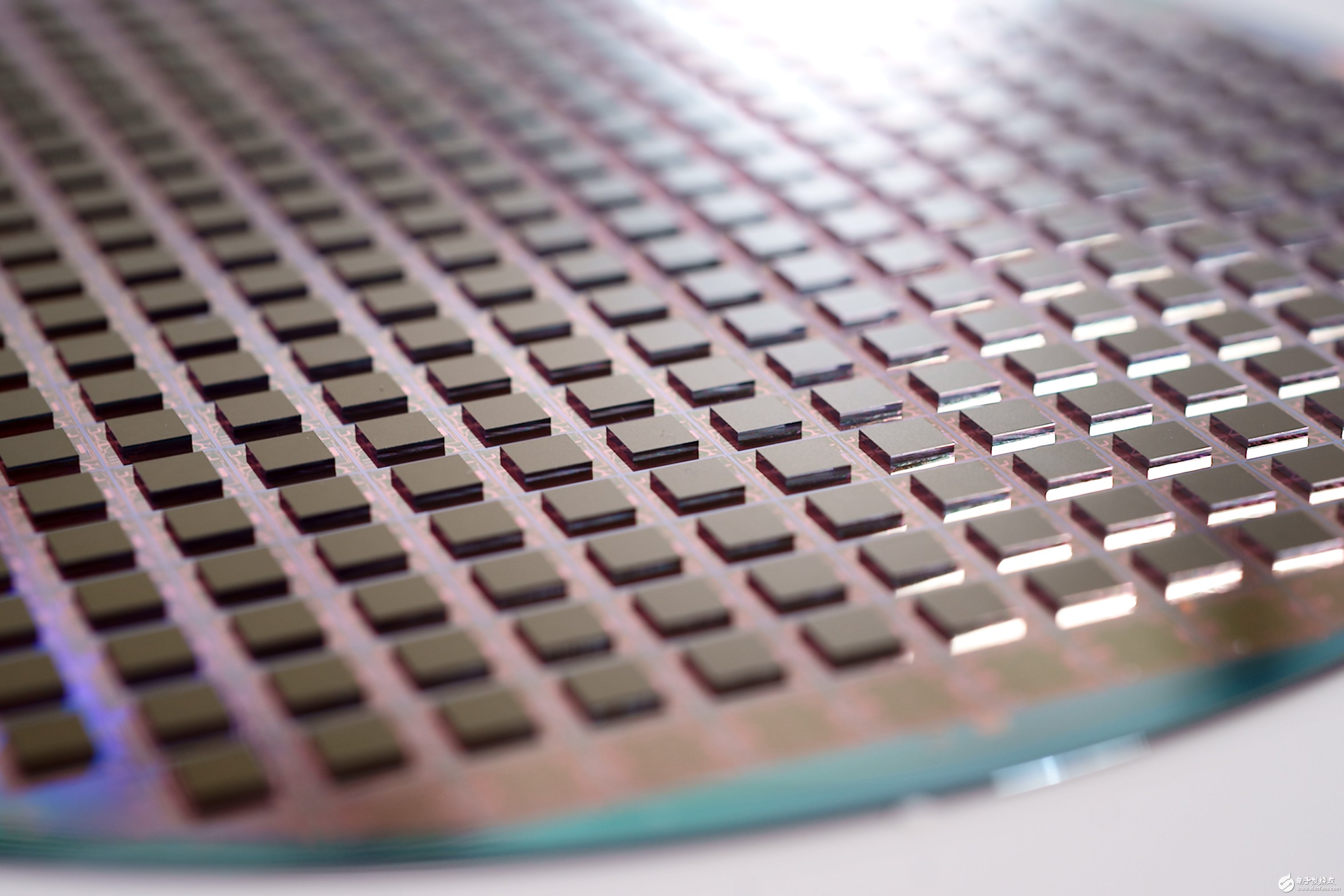
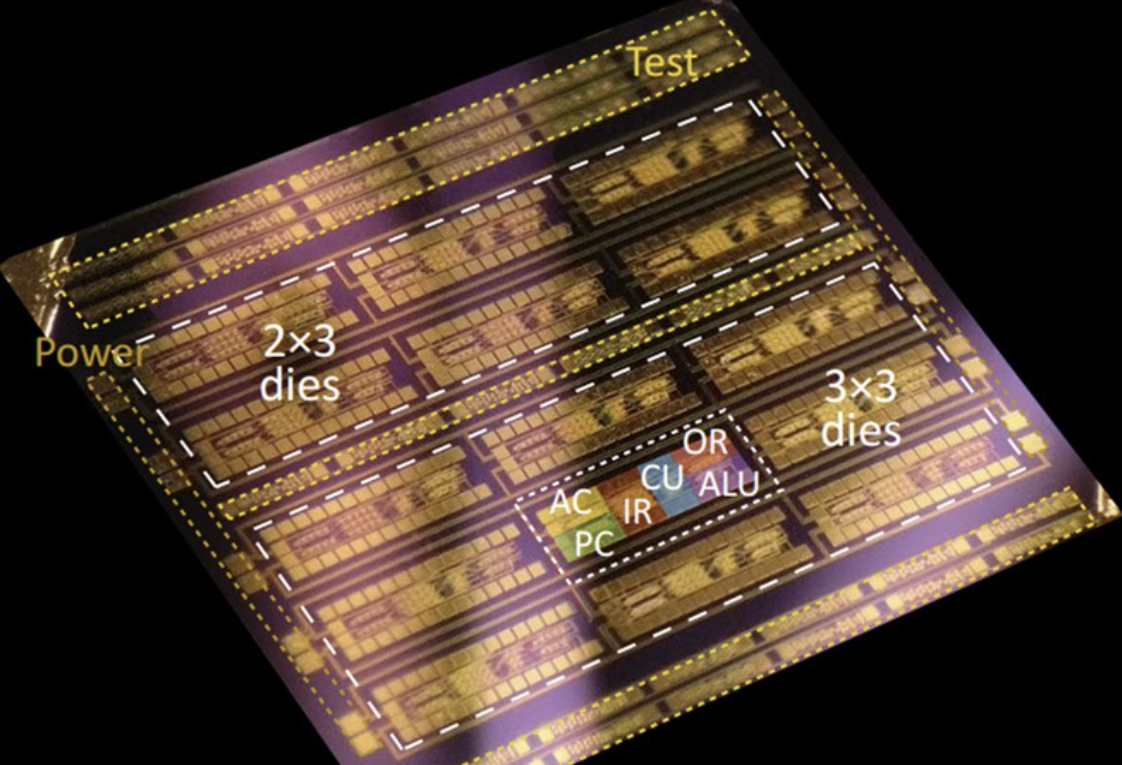
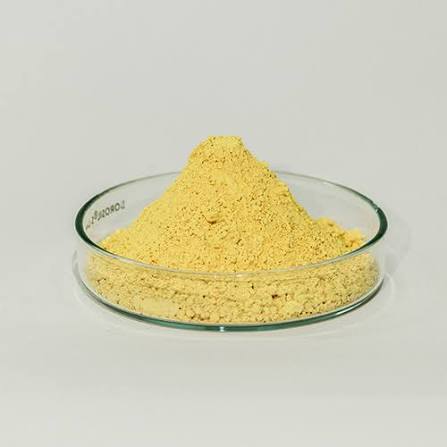
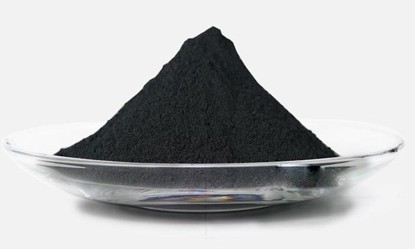
In two-dimensional semiconductor materials, molybdenum disulfide (MoS₂ ) is considered a key candidate material for transistor channels in the post-Moore's Law era due to its atomic-level thickness, suitable band gap, and excellent gate control capability. However, the preparation of electronic-grade MoS₂ is highly dependent on the purity and crystal form of the precursor. High-purity molybdenum trioxide ( MoO₃ ) serves as an important bridge connecting molybdenum resources and semiconductor-grade MoS₂ . Unlike ordinary industrial molybdenum oxide, semiconductor-grade MoO₃ requires not only extremely low metal impurities but also specific selection of crystal form. This article systematically summarizes the purity requirements, industrial preparation methods, and lattice structure differences of semiconductor-grade MoO₃

Read More →
From high-purity molybdenum trioxide to electronic-grade molybdenum disulfide: Semiconductor applications and industrialization pathways
2026-09-18Admin

From high-purity molybdenum trioxide to electronic-grade molybdenum disulfide: Semiconductor applications and industrialization pathways

As silicon-based transistors shrink to the 2-nanometer node, leakage current and heat generation caused by quantum tunneling have become a physical bottleneck hindering the continued evolution of Moore's Law. Molybdenum disulfide (MoS₂), with an atomic layer thickness of only about 0.7 nanometers , is considered a key channel material candidate for breakthroughs in sub-1-nanometer processes due to its inherent immunity to short-channel effects in its ultrathin structure HYPERLINK "https://ieeexplore.ieee.org/document/11353602" \l "1" \t "_blank". However, a significant industrialization gap exists between its superior performance in the laboratory and stable manufacturing on semiconductor production lines, from "high-purity raw materials" to "wafer-level electronic-grade thin films." On this path, high-purity molybdenum trioxide ( MoO₃ ) is playing an increasingly important role—it is not the end point, but rather the starting point towards electronic-grade MoS₂ .

Read More →
High-purity lead oxide production process
2026-09-04Admin

High-purity lead oxide production process

High-purity lead oxide (PbO, purity ≥ 99.99%) is an important functional material in the electronics industry, with core applications concentrated in three main areas: dielectric ceramics, thin-film deposition, and optical devices. In multilayer ceramic capacitors (MLCCs), it serves as a primary component of the dielectric layer, effectively enhancing capacitance and temperature stability to meet miniaturization demands. In physical vapor deposition (PVD) processes, high-purity lead oxide is fabricated into sputtering targets or evaporation materials used to deposit ferroelectric and piezoelectric thin films (such as PZT) as well as functional oxide layers, which are widely applied in semiconductor chips, MEMS devices, and optical coatings. In electronic ceramics, it acts as a foundational raw material for synthesizing relaxor ferroelectrics like lead magnesium niobate (PMN), and helps adjust the resistivity and Curie temperature of ceramics to improve their electrical performance. Additionally, leveraging its high density and radiation-absorption properties, high-purity lead oxide is used in the manufacturing of CRT glass and X-ray shielding windows, as well as serving as an optical thin-film material for anti-reflective coatings.

Read More →

Molybdenum disulfide used for the modification of PTFE to enhance lubrication and wear resistance.
2026-08-28Admin

Molybdenum disulfide used for the modification of PTFE to enhance lubrication and wear resistance.

Molybdenum disulfide (MoS₂) is one of the most commonly used solid lubricating fillers for modified polytetrafluoroethylene (PTFE). Its primary function is to significantly enhance wear resistance and creep resistance while maintaining PTFE's advantage of a low coefficient of friction, thereby expanding the material's applications in engineering fields such as bearings and seals.

Read More →
Glass frit powder for sintering electronic ceramics
2026-08-28Admin

Glass frit powder for sintering electronic ceramics

Glass powder is a critical material in the manufacture of MLCCs (Multi-Layer Ceramic Capacitors) and LTCCs (Low-Temperature Co-fired Ceramics). It primarily serves as a functional additive, acting as a "sintering aid" that lowers the sintering temperature—thereby enabling the co-sintering of ceramic and metal electrodes—and optimizes the product's overall performance.

Read More →
Application of acrylic resins in MLCCs
2026-08-20Admin
Acrylic resinsMitsubishi

Application of acrylic resins in MLCCs

Acrylic resin is used in multiple stages of the production and structure of MLCCs (multilayer ceramic capacitors). It is mainly used as a binder, slurry thickener, and electrode resin layer component. Utilizing its excellent designability, good thermal decomposition and environmental protection properties, it helps MLCCs achieve high performance, high reliability, and environmentally friendly production.

Read More →
The main steps of ore fire assaying
2026-08-13Admin

The main steps of ore fire assaying

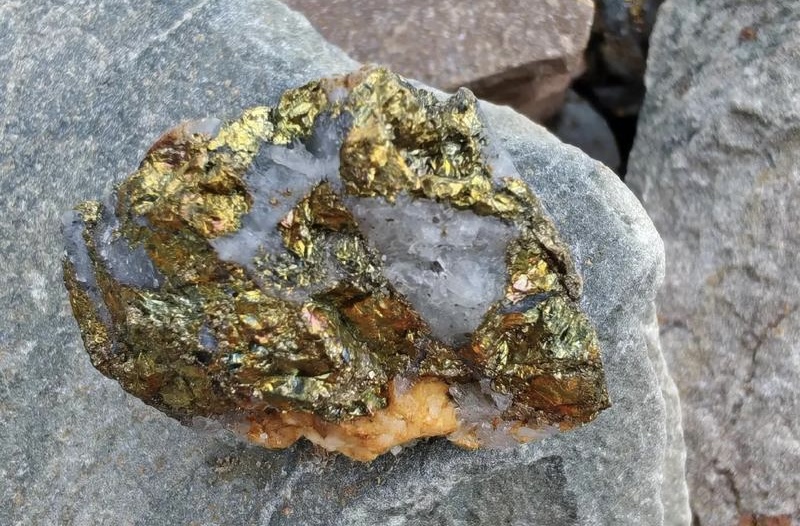
The fire assay method is a classic analytical technique used to determine the content of precious metals (primarily gold and silver) in materials such as minerals and metals through high-temperature melting and cupellation.

Read More →
Introduction to light curing 3D printing technology
2026-08-12Admin
Mitsubishi

Introduction to light curing 3D printing technology

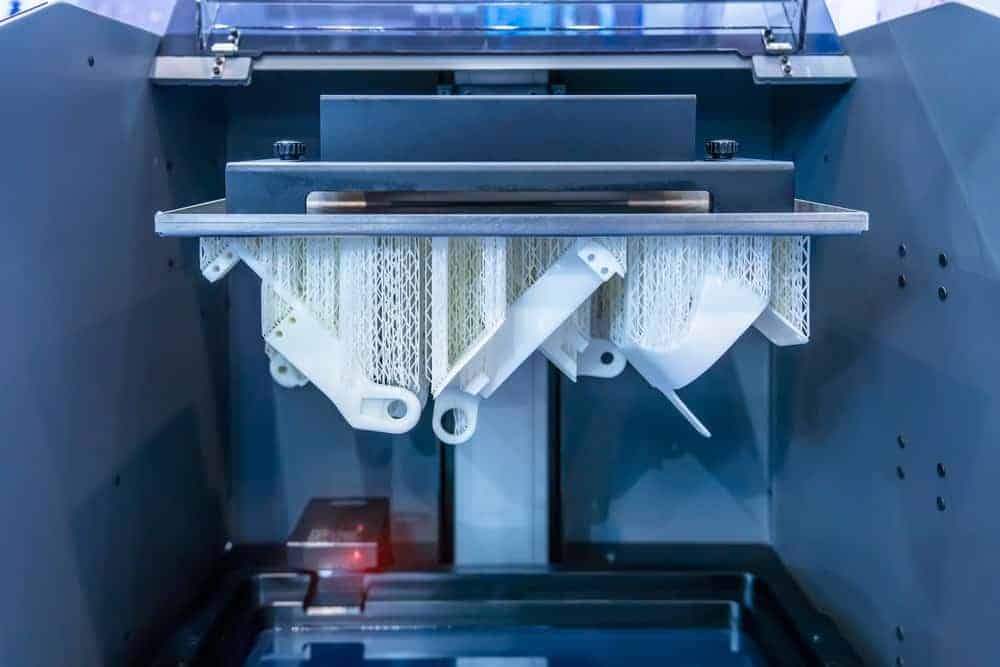
Stereolithography (Vat Photopolymerization) is an additive manufacturing technology that utilizes specific wavelength ultraviolet light to irradiate liquid photosensitive resin, causing it to undergo polymerization and solidify layer by layer. Stereolithography is one of the earliest emerging, most mature, and most widely used technology routes among all 3D printing technologies. Due to its high molding accuracy and excellent surface quality, it occupies an important position in fields such as dentistry, jewelry, medical care, and product prototype development.

Read More →
Introduction to Metal Injection Molding (MIM) Process
2026-08-12Admin

Introduction to Metal Injection Molding (MIM) Process

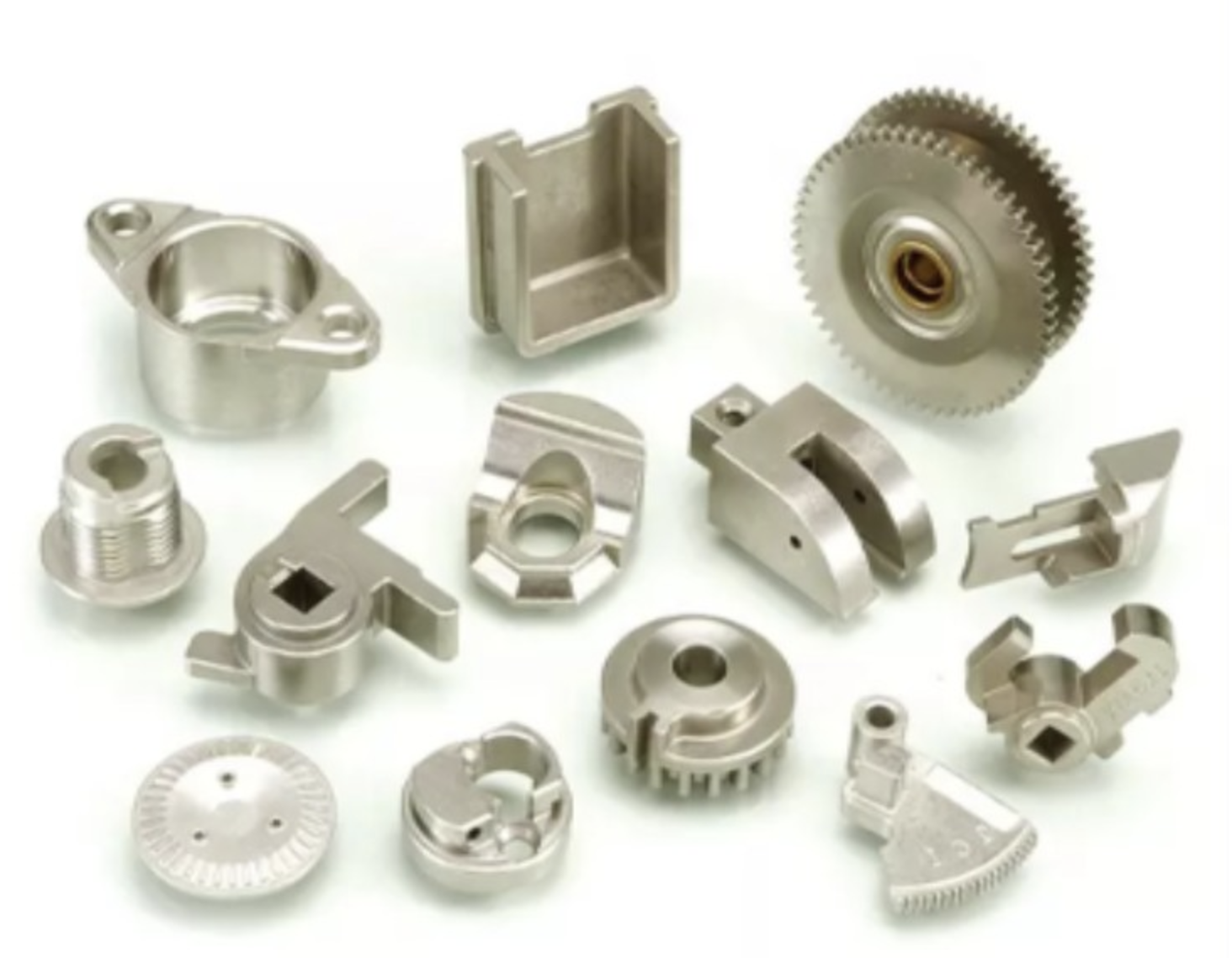
金属注射成型(Metal Injection Molding,简称MIM) 是一种将塑料注射成型的几何自由度与金属材料的性能优势相结合的先进制造技术。它被广泛应用于消费电子、汽车、医疗器械等领域,特别适合大批量生产小型、高精度、形状复杂的金属零件。

Read More →
Application of VINNAPAS Resin in Composite Materials
2026-05-21Canalchem
WACKER

Application of VINNAPAS Resin in Composite Materials

VINNAPAS resins are used in fiber-reinforced plastic composites as low-profile additives, which can reduce the shrinkage rate to below 0.05% and achieve Class A surface finish. Series C can be thickened with oxides, while Series B and UW are suitable for mild thickening conditions. These resins are easily soluble in styrene and can be prepared into solutions for SMC, BMC and other processes.

Read More →
Introduction to Wacker HDK Fumed Silica Product Line
2026-05-21Canalchem
WACKER

Introduction to Wacker HDK Fumed Silica Product Line

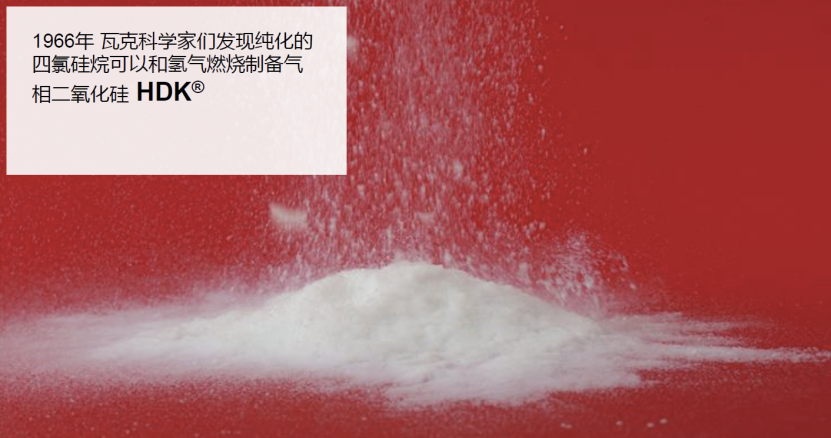
Wacker HDK is a mainstream nano fumed silica across the globe, produced by flame hydrolysis method and divided into hydrophilic, hydrophobic, pharmaceutical and food-grade series. Featuring high purity, large specific surface area and three-dimensional network structure, it enables rheology control, reinforcement and thickening, and is widely used in high-end sectors including coatings, adhesives, pharmaceuticals and electronics.

Read More →
Introduction to Erucamide and Oleamide
2026-05-21Canalchem

Introduction to Erucamide and Oleamide

Erucamide and oleamide are commonly used slip agents and anti-blocking agents in plastics, inks and other fields, with distinct performance differences due to different carbon chain lengths. Oleamide features short carbon chain, low melting point, fast migration and high cost performance, suitable for general low-temperature scenarios. Erucamide is high-temperature resistant and stable for long-term use, applicable to high-end fields. Both comply with FDA food contact standards, and Fine Organic products have prominent advantages.

Read More →
VINNAPAS® Resin Used in Coatings
2026-05-21Canalchem
WACKER

VINNAPAS® Resin Used in Coatings

VINNAPAS® solid resin can enhance the adhesion, water resistance, abrasion resistance and flexibility of coatings. With high transparency, it can replace natural resins. The N series is suitable for porous materials; the C series is applied to metal primers and aluminum-coated paper, while the VL series offers superior flexibility. Compatible with a wide range of fillers, this resin can be used to produce concrete sealants and thermal insulation coatings, fitting diverse application scenarios.

Read More →
Application of VINNAPAS® Resin in Adhesives
2026-05-21Canalchem
WACKER

Application of VINNAPAS® Resin in Adhesives

VINNAPAS® solid resin is compatible with a wide range of substrates and serves as a premium base material for adhesives. It is applicable to solvent-based adhesives, hot melt adhesives and acrylic structural adhesives. Solvent-based products meet VOC standards, and the N-series is ideal for spraying applications. N-type resins feature high cost performance in hot melt adhesives. The structural adhesives boast low curing shrinkage. When blended with plasticizers, they are widely used in construction and other industries.

Read More →
VINNAPAS® Resin Applications for Acoustic Panels
2026-05-21Canalchem
WACKER

VINNAPAS® Resin Applications for Acoustic Panels

Automotive metal components tend to produce noise under vibration. VINNAPAS® Winners® UW resin can serve as a key component of sound insulation panels, boasting outstanding sound insulation performance across a wide temperature range. Compared with asphalt sound insulation panels, it delivers better sound insulation effect, and features superior coatability and light weight. Formulated with plasticizers, fillers and other ingredients, it is processed via extrusion molding. Coating it with pressure-sensitive adhesive can strengthen its adhesion to metals.

Read More →
What are the differences between zinc stearate, magnesium stearate and magnesium myristate? Which one should be used in color cosmetic formulations?
2026-05-19Canalchem
SUN ACE

What are the differences between zinc stearate, magnesium stearate and magnesium myristate? Which one should be used in color cosmetic formulations?

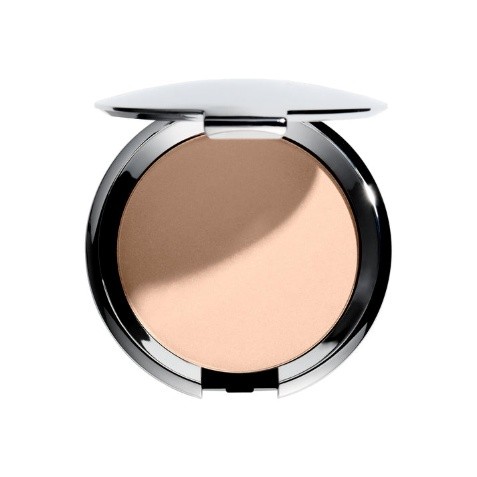
Zinc stearate, magnesium stearate and magnesium myristate are all commonly used metallic soap powder raw materials in cosmetics, belonging to the stearate/myristate family. They mainly serve as skin feel modifiers, lubricants, thickeners and stabilizers in formulations, but differ in specific performance details.

Read More →