
Application of Aluminum Flake in Dacromet Coatings
Dacromet, also known as a zinc-aluminum flake coating, is a high-performance anti-corrosion coating technology that uses zinc flakes and aluminum flakes as its main metallic components and an inorganic binder as its base. Unlike conventional paints, which rely primarily on a continuous resin film to block moisture and oxygen, Dacromet is a composite anti-corrosion system that combines electrochemical protection with physical barrier protection.
1. What Is a Dacromet Coating?
Dacromet, also known as a zinc-aluminum flake coating, is a high-performance anti-corrosion coating technology that uses zinc flakes and aluminum flakes as its main metallic components and an inorganic binder as its base. Unlike conventional paints, which rely primarily on a continuous resin film to block moisture and oxygen, Dacromet is a composite anti-corrosion system that combines electrochemical protection with physical barrier protection.
Its main characteristics include:
Excellent corrosion resistance: Provides long-term protection against metal corrosion.
Good heat resistance: Suitable for automotive and mechanical components that require heat resistance.
No risk of hydrogen embrittlement: The coating and baking process avoids the hydrogen embrittlement that may occur during conventional electroplating.
Good adhesion: The coating forms a strong bond with steel substrates.
Good weather resistance: Suitable for automotive chassis, fasteners, and outdoor metal structures.
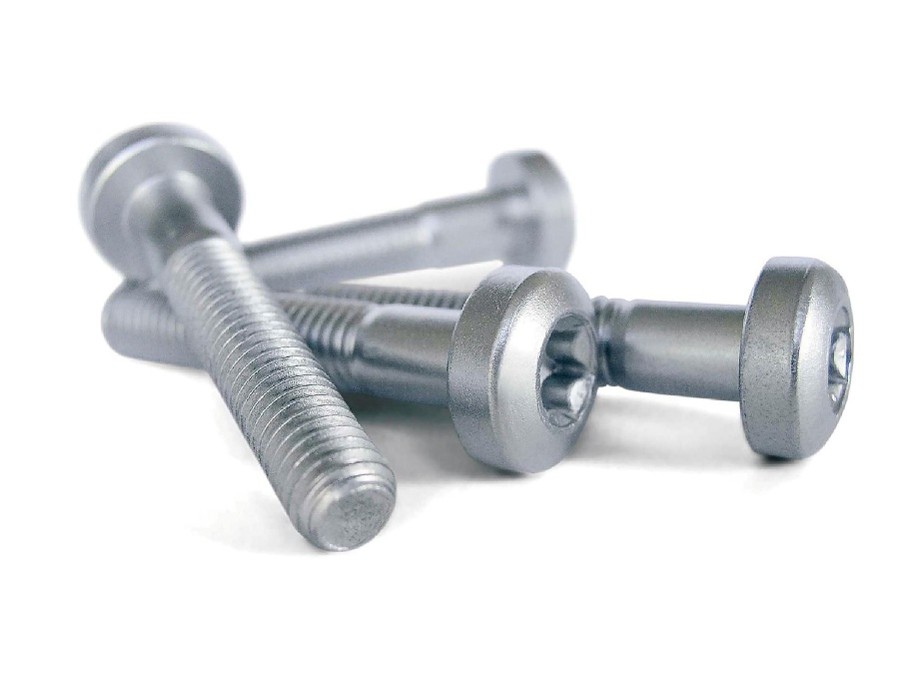
Dacromet coatings are mainly used in automotive components, bolts and nuts, springs, construction machinery, railway facilities, wind power equipment, and other fields.
2. Corrosion Protection Mechanisms of Dacromet Coatings
2.1 Sacrificial Anode Protection by Zinc
This is one of the most important corrosion protection mechanisms of Dacromet coatings.
Dacromet coatings contain a large amount of zinc flakes. Zinc is more chemically active than iron and has a lower standard electrode potential. When the coating is damaged and moisture and electrolytes enter the coating, an electrochemical circuit may form between the zinc and the steel substrate. Zinc is then oxidized preferentially, helping protect the iron substrate from oxidation.
The main reaction is as follows:
Oxidation of zinc (anodic reaction):
Protection of the iron substrate:
Electrons released by zinc can be transferred to the steel substrate, maintaining the steel surface in a relatively less oxidation-prone electrochemical state and reducing the tendency of iron to corrode.
Key functions:
Zinc corrodes preferentially, oxidizing in place of the iron substrate.
Even if localized coating damage occurs, the exposed steel may still receive a degree of protection.
Delays the formation of red rust on the steel substrate.
Therefore, zinc flakes primarily provide sacrificial anode protection in Dacromet coatings.
2.2 Physical Barrier Effect of Zinc and Aluminum Flakes
The zinc and aluminum flakes in Dacromet coatings generally have a platelet-like structure. During coating drying and curing, these metallic particles form multiple overlapping and interlocking layers on the substrate surface.
When moisture, oxygen, chloride ions, and other corrosive substances attempt to penetrate inward from the coating surface, they must pass around multiple layers of flake-shaped metal particles.
This significantly increases the diffusion path of corrosive substances and reduces the rate at which they migrate toward the substrate surface.
Main functions: Extend the penetration path of moisture and oxygen; reduce the diffusion rate of chloride ions and other corrosive substances toward the substrate; reduce the likelihood of direct contact between corrosive substances and the steel substrate; and improve the overall barrier performance of the coating.
Among these components, aluminum flakes mainly provide a physical barrier effect and also help improve the metallic coverage structure of the coating.
2.3 Filling and Passivation Effects of Aluminum and Zinc Corrosion Products
During service, oxides, hydroxides, and other corrosion products may gradually form on the surfaces of zinc and aluminum in Dacromet coatings. Examples include zinc oxide (ZnO), zinc hydroxide [Zn(OH)₂], aluminum oxide (Al₂O₃), and aluminum hydroxide [Al(OH)₃]. Under certain conditions, these products can deposit in or fill the gaps between metal flakes and localized defects, making the coating structure denser. Meanwhile, the naturally formed aluminum oxide film on the aluminum surface has good chemical stability and helps reduce the tendency of aluminum to undergo further corrosion.
Main functions:
Reduce pores within the coating.
Slow the penetration of corrosive substances.
Improve the corrosion stability of the metal flakes themselves.
Help enhance the coating's long-term protective performance.
It should be noted that this process is affected by the environment, coating formulation, and the properties of the corrosion products. Not all corrosion products form an effective, continuous protective film.
2.4 Curing and Passivation Protection by the Inorganic Binder
The inorganic binder in a Dacromet coating not only fixes the zinc and aluminum flakes in place, but is also an important component in forming a stable anti-corrosion coating.
After application, drying, and high-temperature curing, the inorganic binder forms a continuous binding phase that fixes the zinc and aluminum flakes to the steel substrate.
Its main functions include:
Fixing the metal flakes: Binds the zinc and aluminum flakes together to form a stable multilayer flake structure.
Improving coating adhesion: Strengthens the bonding between particles within the coating and between the coating and the substrate.
Controlling zinc consumption: Protects the metal flake surfaces through the binder phase and passivating components, thereby regulating the rate of zinc corrosion.
Enhancing coating stability: Reduces the migration rate of corrosive substances within the coating.
Traditional Dacromet systems generally use chromium-containing inorganic binder systems, while some zinc-aluminum flake coatings developed later use chromium-free binder systems. The specific chemical composition of the binders and their passivation mechanisms vary among products and should not be regarded as identical.
2.5 Self-Healing Effect
Another important characteristic of Dacromet coatings is that they exhibit a certain degree of self-healing.
When minor defects appear in the coating, or corrosive substances penetrate a localized area, nearby zinc flakes may continue to oxidize, forming corrosion products such as zinc oxide, zinc hydroxide, and basic zinc carbonate.
Under certain conditions, these corrosion products can deposit in defects and gaps between particles, helping fill localized pores.
The process can be summarized as follows:
Minor pores or damage appear in a localized area of the coating.
Moisture and corrosive substances enter the coating.
Nearby zinc flakes are preferentially oxidized.
Zinc oxides, hydroxides, and other corrosion products are formed.
Some corrosion products deposit at the defects, reducing the ability of corrosive substances to penetrate further.
Note: Self-healing does not mean that the coating can rebuild a complete structure in the same way as a resin, nor can it repair major mechanical damage. It mainly refers to the localized protective effect produced by the combined action of zinc's sacrificial protection and the deposition of corrosion products.
2.6 Overall Corrosion Protection Process of Dacromet Coatings
Combining the five mechanisms described above makes it easier to understand how Dacromet coatings protect steel substrates.
The five corrosion protection mechanisms of Dacromet coatings:
Physical barrier: Zinc and aluminum flakes are arranged in multiple interlocking layers, extending the penetration path of moisture, oxygen, and salts.
Sacrificial anode protection: Zinc is oxidized preferentially and releases electrons, reducing the tendency of the steel substrate to corrode.
Passivation protection: Oxide films on metal surfaces and passivating components in the system slow down corrosion reactions.
Inorganic binder protection: The cured inorganic binding phase fixes the metal flakes and maintains the coating's structure and stability.
Localized self-healing: Zinc corrosion products deposit at localized defects, helping reduce further penetration by corrosive substances.
Final result: Corrosion of the steel substrate is delayed through the synergistic action of multiple protection mechanisms.
3. Differences Between Zinc Flakes and Aluminum Flakes in Dacromet Coatings
Comparison Item | Zinc Flake | Aluminum Flake |
Primary function | Sacrificial anode protection | Physical barrier and supplementary passivation |
Electrochemical characteristics | More active than iron; oxidizes preferentially | Easily forms a passivating oxide film on its surface |
Barrier effect | Multiple flake layers block corrosive substances | Multiple flake layers block corrosive substances |
Surface-related function | Participates in sacrificial protection | Helps improve metallic coverage and optimize coating structure |
Contribution to corrosion protection | Provides active electrochemical protection | Mainly provides passive barrier protection |
Zinc flakes are the key material responsible for sacrificial anode protection in Dacromet systems, while aluminum flakes mainly provide physical barrier and supplementary protection. It should not be assumed that increasing the aluminum flake content will proportionally increase corrosion resistance.
4. Recommended Aluminum Flake Product
Shanghai Canal is the distributor of Benda-Lutz aluminum flake 2051 from Sun Chemical Austria. Grade 2051 is suitable for use in Dacromet coatings, providing a bright, silvery-white appearance and excellent corrosion protection performance.
Product information: https://www.canalchem.com/products/paint-ink/product-058.html